
Our Story

Our Strategies
Our Portfolio
How We Invest
Resources


Our Story
Our Strategies
Our Portfolio
How We Invest
Resources




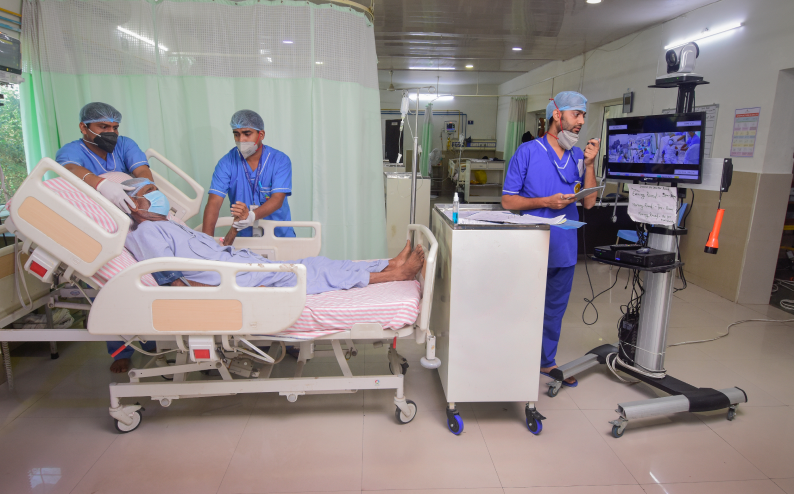
Patients in smaller towns and remote locations often face long journeys, additional costs and delays when seeking specialist care. Sterling Hospitals’ Specialist Outreach Programme brings specialist consultants closer to communities through scheduled outreach clinics, outpatient departments and teleconsultations.
The programme supports initial assessment and treatment planning locally, with referrals to tertiary-care facilities where required and follow-up coordinated closer to patients’ homes. In FY 2026, the programme covered oncology, cardiology, neurosciences, nephrology, gastroenterology and other specialities.
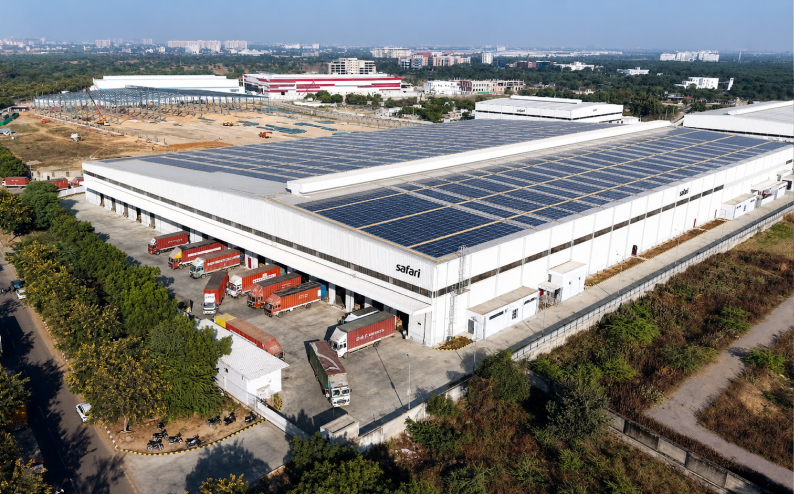
Individuals leaving correctional facilities can face barriers to skills development, employment and social reintegration. Since 2018, Safari Industries has partnered with Central Jail, Vadodara to operate an in-house luggage-assembly unit that provides vocational training and productive employment.
Participants receive structured training before joining the production line, where they stitch fabric, assemble trolleys, fix handles and conduct quality checks using the same manufacturing standards applied across Safari’s operations. The initiative has expanded from one assembly line to three.
Women, persons with special needs and LGBTQIA+ individuals often face workplace barriers that limit access to employment. Removing these barriers creates safer workplaces while expanding access to diverse talent. Ather strengthened the inclusion of employees with speech and hearing disabilities by installing visual indicators on workstations, implementing buddy systems, conducting Indian Sign Language training for supervisors and adapting light indicators for emergency response procedures. GreenCell expanded employment opportunities for transgender individuals by recruiting them into their workforce.
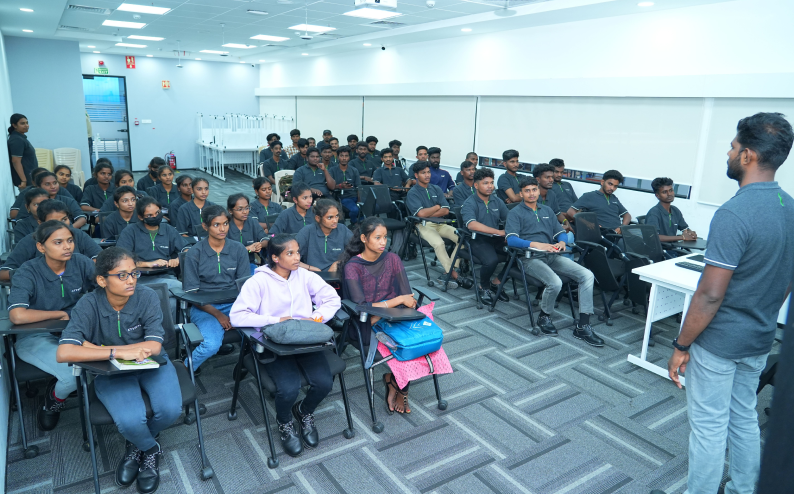
Across sectors, skilling initiatives are helping create pathways to employment and livelihoods by equipping youth and frontline workers with industry-relevant capabilities. Programmes spanning logistics, aviation, smart utilities and electric mobility combine vocational and technical training with employment opportunities, while building talent pipelines for sectors critical to India’s evolving economy.
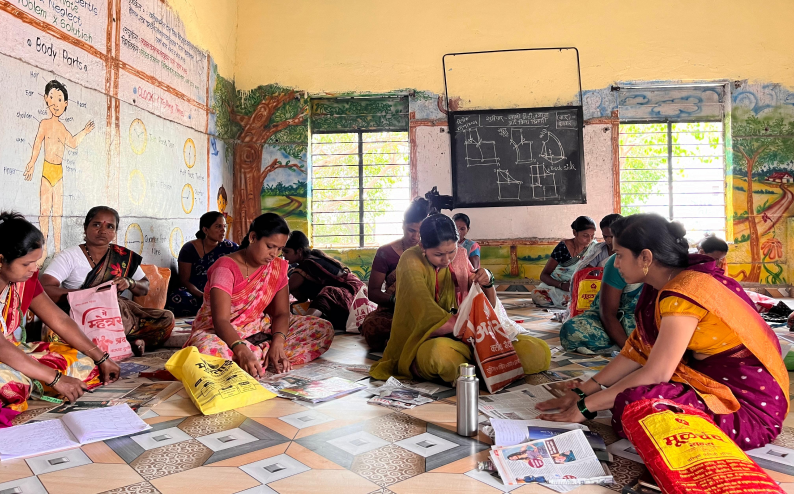
The approach also promotes inclusive opportunity creation through healthcare skilling, women-focused livelihood programmes and support for youth. By enabling women from marginalised communities to access specialised healthcare and vocational skills, supporting income-generation opportunities, and strengthening youth upskilling,
Limited access to formal finance remains one of the biggest barriers for MSMEs, nano-entrepreneurs and underserved households. Many businesses and borrowers continue to rely on informal sources of credit, restricting their ability to invest, expand and build sustainable livelihoods.
NIIF's financial inclusion portfolio supports access to formal credit through specialised lending models serving different customer segments:
Together, these institutions collectively operate across 17 states and Union Territories, reaching 23 districts with lower percentage of households in Public and Organised Private Sectors employment and expanding access to finance in underserved regions.
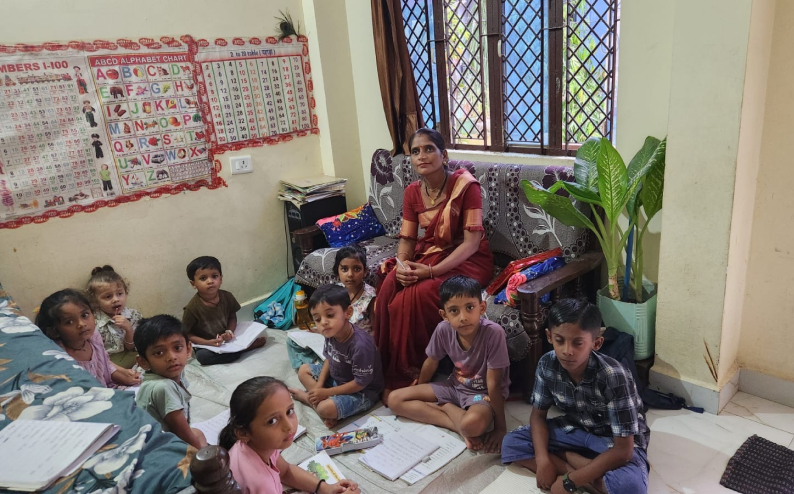
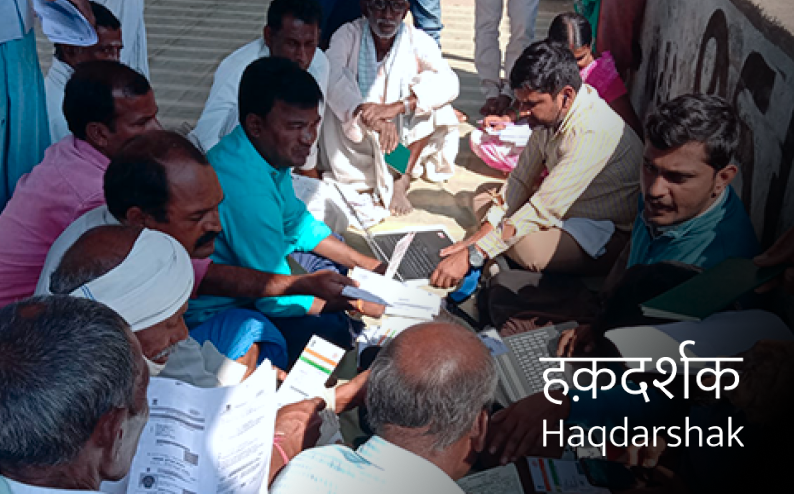
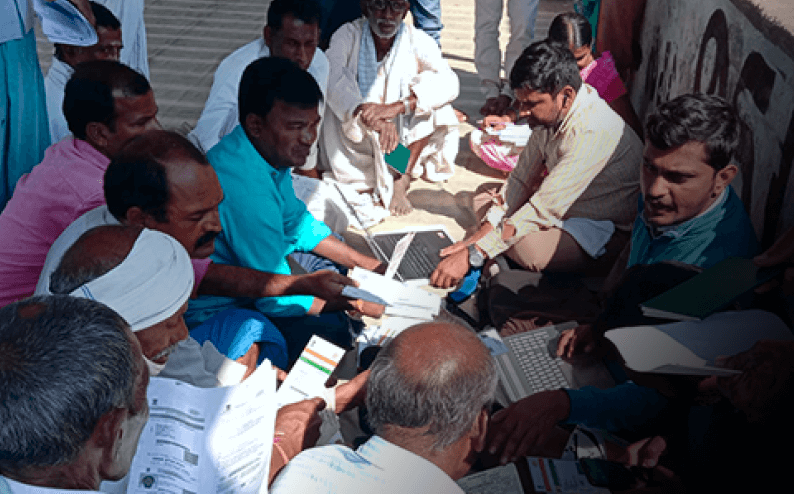
A social enterprise working to make welfare schemes more accessible to citizens by creating a multi-state, multi-lingual, cloud-based, mobile technology platform that helps citizens discover, apply for, and benefit from, various Government and private schemes that they qualify for.
We have completed two programs that have provided screening, application support and physical monitoring for 700 households in Dichpally, Telangana and 3419 households in rural Thane and Pune, Maharashtra. Both the programs have provided them with much needed relief during COVID-19.
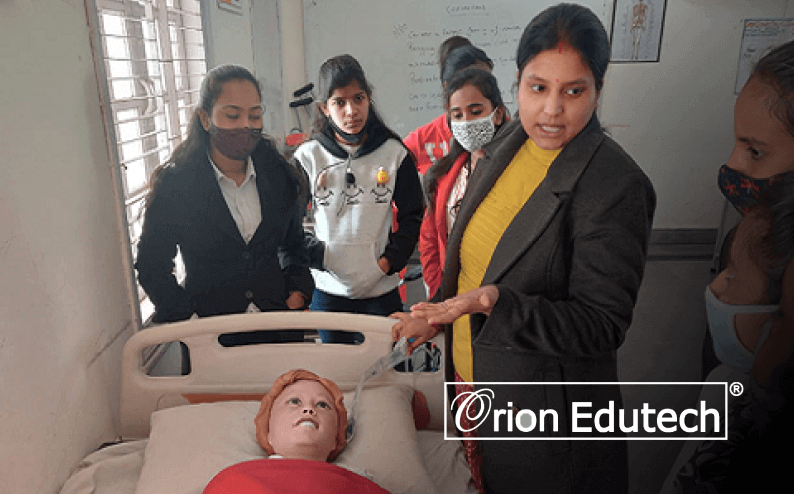
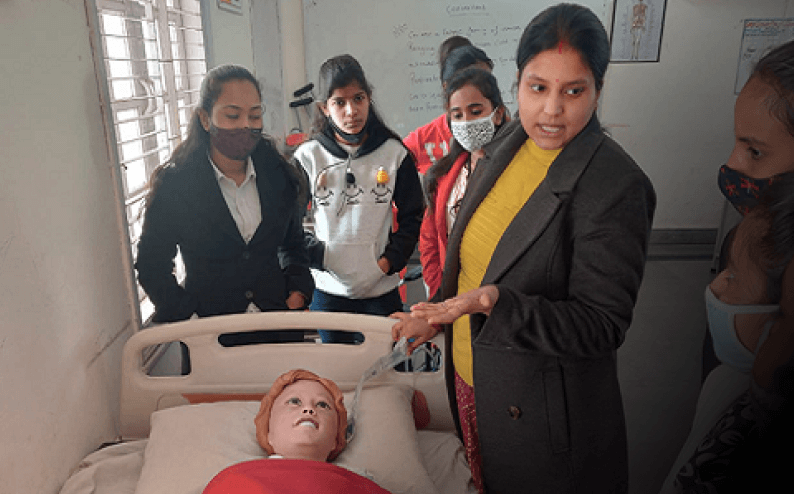
An NSDC affiliated skill development organization with the aim to empower the unemployed youth with the knowledge and skills required by the industry.
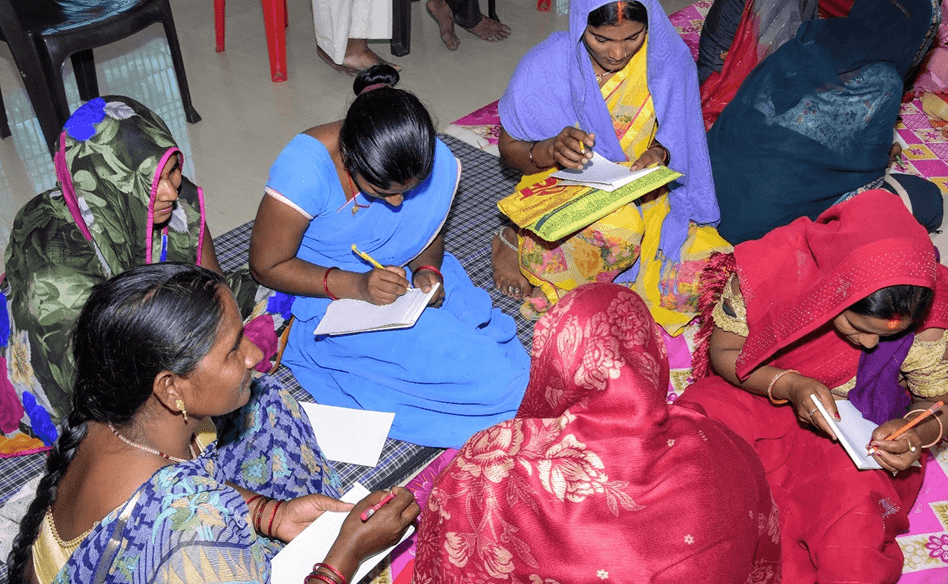
We are currently training 135 women in the age group of 18 – 40 years in areas of New Delhi to become General Duty Assistants(GDA) in the Healthcare Sector. This program aims to cater to the high demand for hospital staff that has been created especially during the pandemic and to provide placements and a sustainable livelihood opportunity to these candidates.
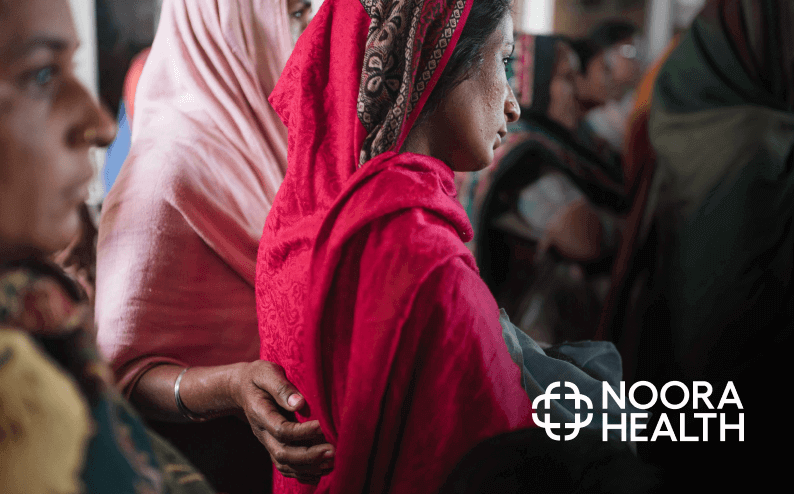
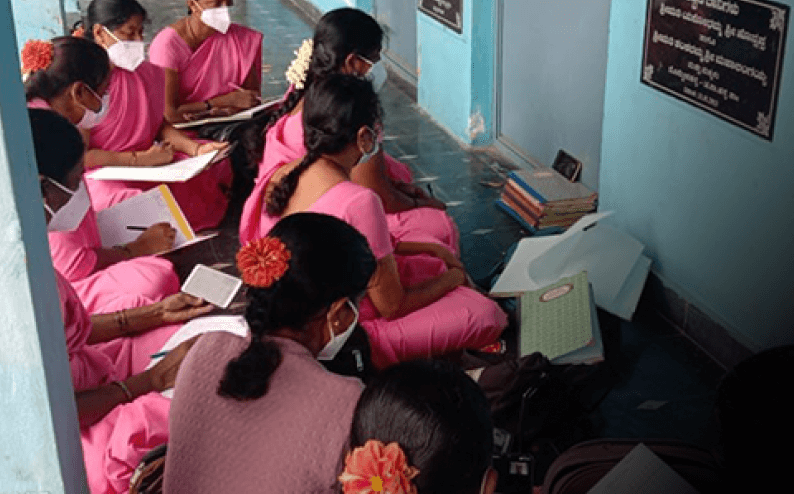
A collective of subject matter experts, designers, and technologists - all tirelessly striving towards empowering people to become agents of their own health outcomes and wellbeing by equipping them with the necessary skills.
We are targeting specifically vulnerable women to provide quality training and digital support during pregnancy to mitigate gender impact of COVID-19. Through Noorahealth’s Care Companion Program, we are training more than 9000 healthcare workers and patients in rural Karnataka. This will lead to enhanced health outcomes such as reduced post-discharge complications, reduced re-hospitalization rates for mothers and improved efficiency of nurses working in the maternity centers.
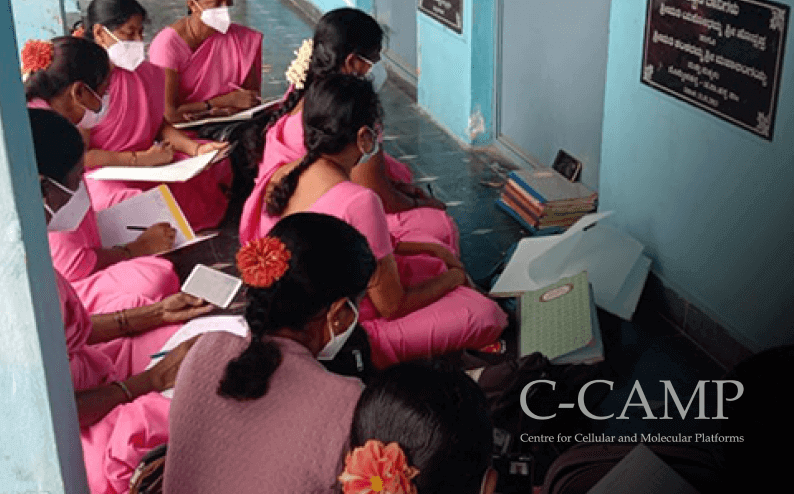
The Centre for Cellular and Molecular Platforms (C-CAMP) is an initiative supported by the Department of Biotechnology, Government of India to act as a catalyst of cutting-edge research and innovation in the field of life sciences since 2009.
We are focused on developing a healthcare manual for strengthening the healthcare workers’ capacity to deliver timely vaccinations on a large-scale using Information, Education and Communication (IEC) tools in order to facilitate future routine immunization efforts pan-India. This program will play an important role in supporting information dissemination to the most vulnerable populations in the low-income districts of Karnataka and Maharashtra. It will also address post-vaccination adverse events and re-infections, by enabling the creation of a trained health workforce.
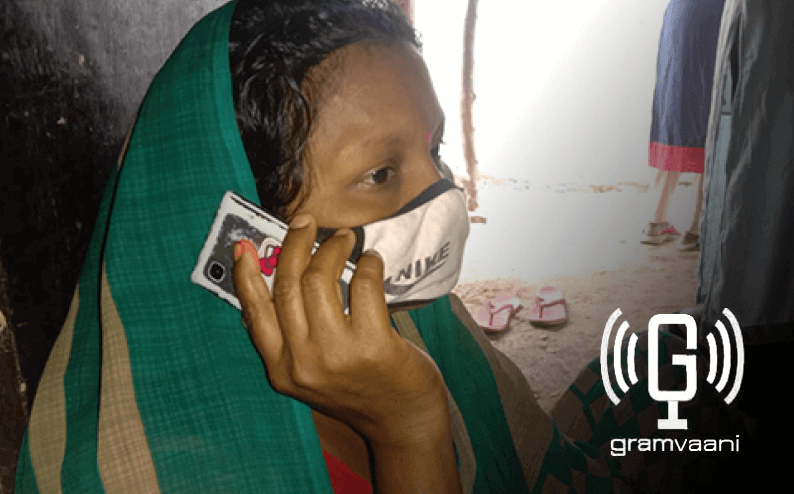
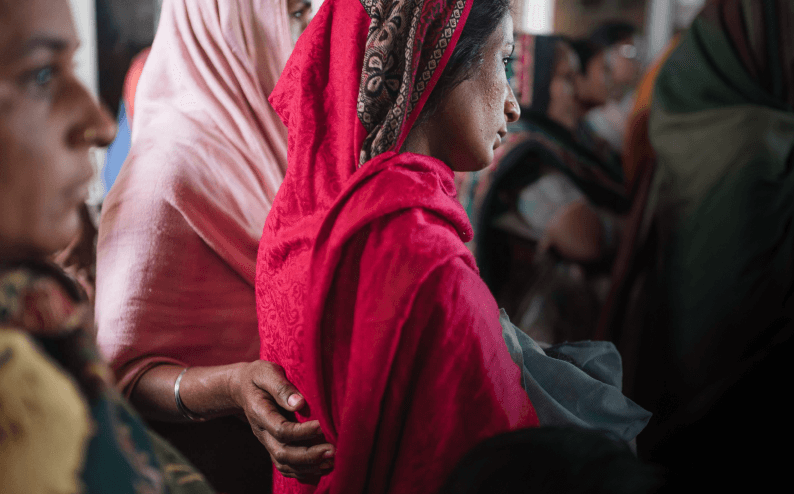
A social tech company that was incubated out of IIT Delhi with the intent of reversing the flow of information to make it bottom-up instead of top-down. Using simple technologies and social context to design tools, they have been able to impact more than 2.5 million beneficiaries across South Asia and Africa.
We aim to provide an end-to-end offering to support the ongoing community engagement for the COVID-19 vaccination drive through a suite of innovative technologies developed in-house by Gram Vaani and IIT. This will increase the availability of actionable information on vaccinations at the last mile, strengthening coverage, timeliness, quality, and equity of the immunization drive for areas with low literacy, low tech penetration and low socio-economic backgrounds.






 Learn More